
Recently I was fortunate to spend a few days in a place located on the edge of the ocean, with a balcony literally on the beach! Sitting at this balcony on the 20 feet cliff facing the ocean in front me one could not help notice the relentless waves and their constant ebb and flow. It is these ocean waves that one is suggested to concentrate upon during meditation sessions. At this moment, the waves are not imaginary, but real. In fact every aspect of life is both real and imagined in some fashion. Is that the illusion (Maya) that the scriptures talk about?
Waves are composed of action, relentless, non-stop, 24 hours a day, 7 days a week, almost eternal. These waves and their churning noise have been here ever since we arrived and will continue for ever after. So are our actions through our body, mind and intellect! We have to acknowledge that most of the body and its functions, along with our mind (and the emotions) and the intellect (and the thoughts) begin with our birth and end with death, unlike the eternal ocean waves! Body as a material object and its change or decay into other forms will continue forever like the stones in the ocean front which are gradually eroded, crushed and pulverized into sand over time! The residual effect of our emotions and thoughts may also endure but their effects are less traceable except for a few among us!
This very notion that “These waves and their churning noise have been here ever since I arrived” is a constraint imposed on my mind by myself! Of course the waves have been here forever, well before I arrived and will be here well after I leave, indeed long after, almost eternally and forever! Vedanta tells us that the life-giving forces, represented as the soul or the spirit is eternal which existed well before we were born and will exist well after we are gone! Is the soul or Atman that we are suggested to meditate upon and the waves are merely a simile for the eternal force of nature?
Waves continue their relentless motion. Their sway and intensity change with wind conditions and directions. Some waves reach the shores calm and subdued and return their water back to the deep ocean. Other waves are violent, hit the shores with great vigor and thunderous noise.

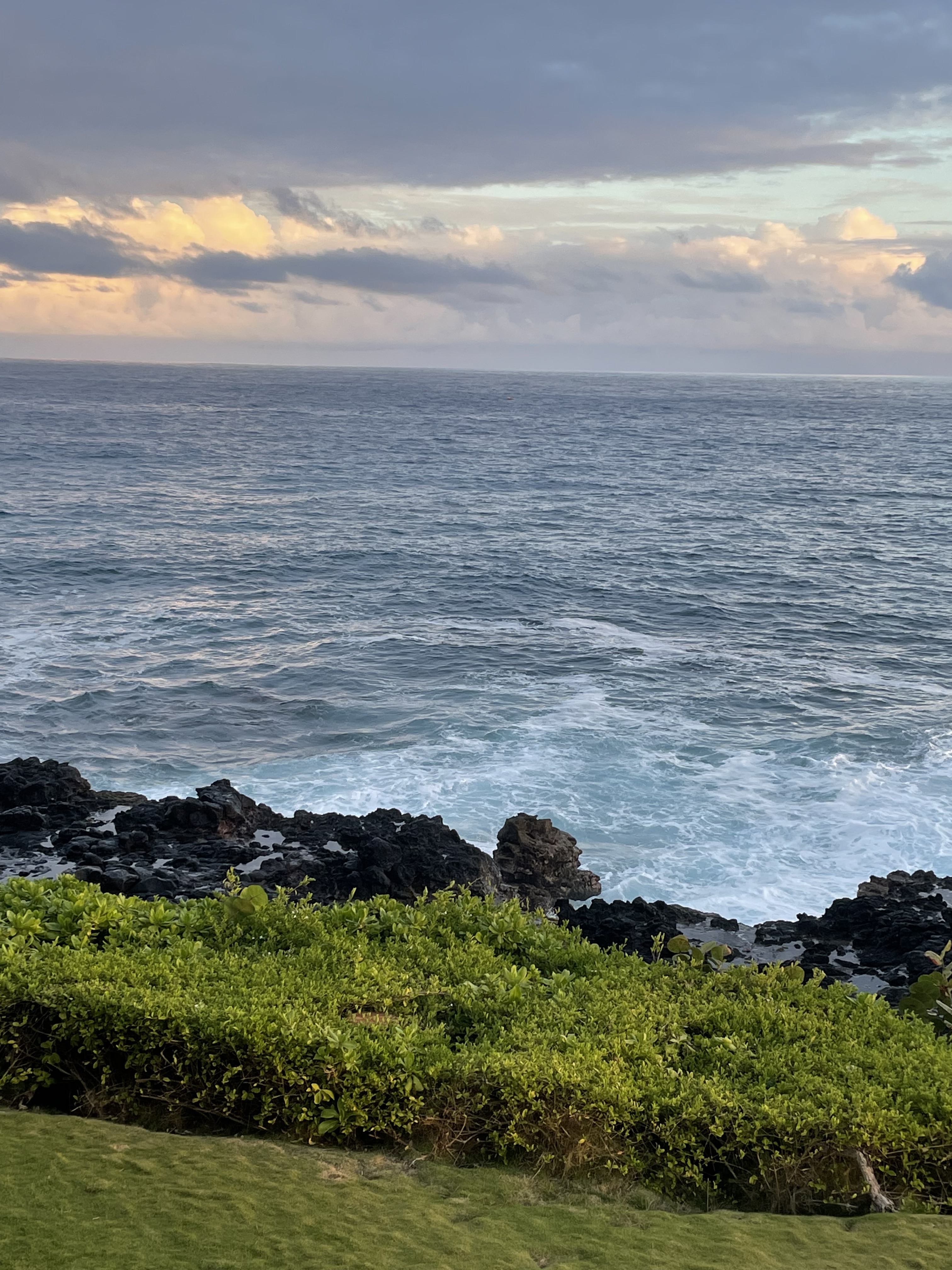
Severe and moderate waves only moments apart!
See above two contrasting images of the same oceanfront moments apart. Calm waves or their splashing counterparts can be seen at the same place based on the energy and intensity of the waves. They are also governed by the resistance they face, based on the topology of the beach. Large sandy beaches foster slow and gradual waves that also recede the same way. Rocky beach and the turbulent waves are in contrast to that. Please see the images below!
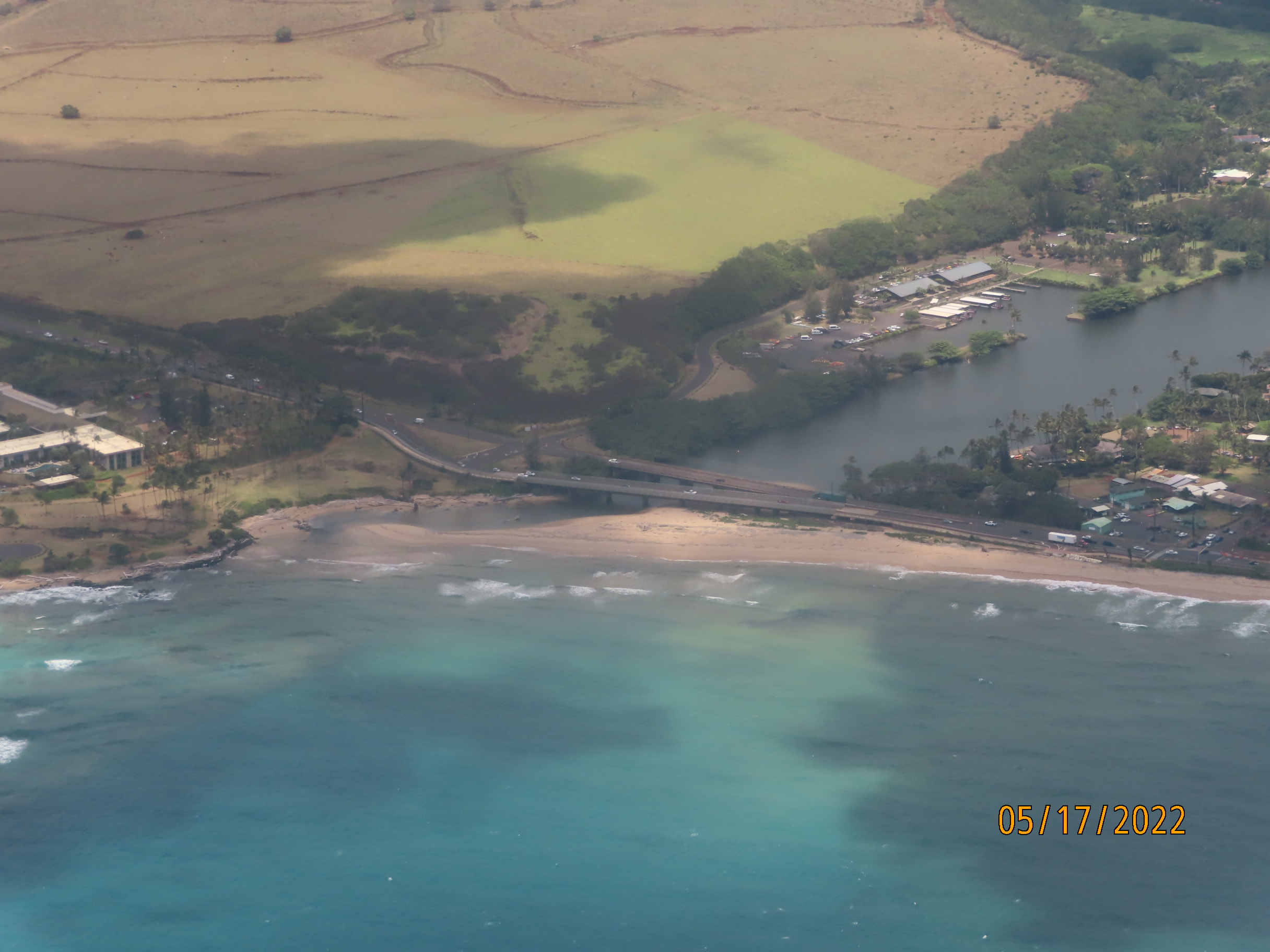


Calm, Intense and Severe Waves
Our emotions and reactions to events are described as Tranquility, Turbulence or Inertia (Sathvikam, Rajasam and Thamasam – Gunathvam). They are subjective, each unique dependent on the impelling forces (like the wind currents) and the reactive influences (like the beach and its topography). Do we have the capacity to manage each wave or even focus on all of them? Of course not. But, each wave is unique and to a large extent independent of others. But we don’t remain fixated on each wave, while sitting at the oceanfront! So are also our emotions. Are we able to set aside each emotion as an independent event and not carry the burden of pleasure or pain of accumulated experiences? Is this part of our meditation?
At a larger level we can recognize each wave as a response of the body of water influenced by impelling forces and beach conditions. We see calm and manageable waves at the sandy beach and the turbulent and unmanageable waves at the rocky beach. We also see changes if the beach is shallow and gradual or a deep cliff! We are able to see a larger pattern in the waves, across all of the oceans, beach topography or wind conditions. Our “experiences” are also like that. There are observable common patterns in all our experiences. Many experiences in the beginning appear as independent, different and divergent. Through sustained observations and reasoning we can see commonality or emerging themes across many experiences. Is this the Objectivity that we develop (Sagunathvam) as an outcome of our meditation?
There is no ocean on earth without waves. These waves are everywhere – at the shallow beach as well as in the middle across the wide span of the ocean. It is an unmistakable evidence of the constant impinging of the wind on the ocean water everywhere. It is a natural phenomenon. We can see waves even in places where there might appear to be no waves at first sight! A closer look at the sandy surface below and its patterns suggest that such striations could contribute to the waves in the water that flows over it! The waves in turn could also contribute to the surface level perturbations on the sand below. In due course each influences the other. Are our experiences (waves) the undercurrent of influence from our body, mind and intellect? How do these experiences in turn shape the function and influence our B. M and I. Can we step back and look at this symbiosis instead of getting immersed in the experiences? Is this stepping away for reflection, a deep dive into the cause and effect of our experiences part of meditation?
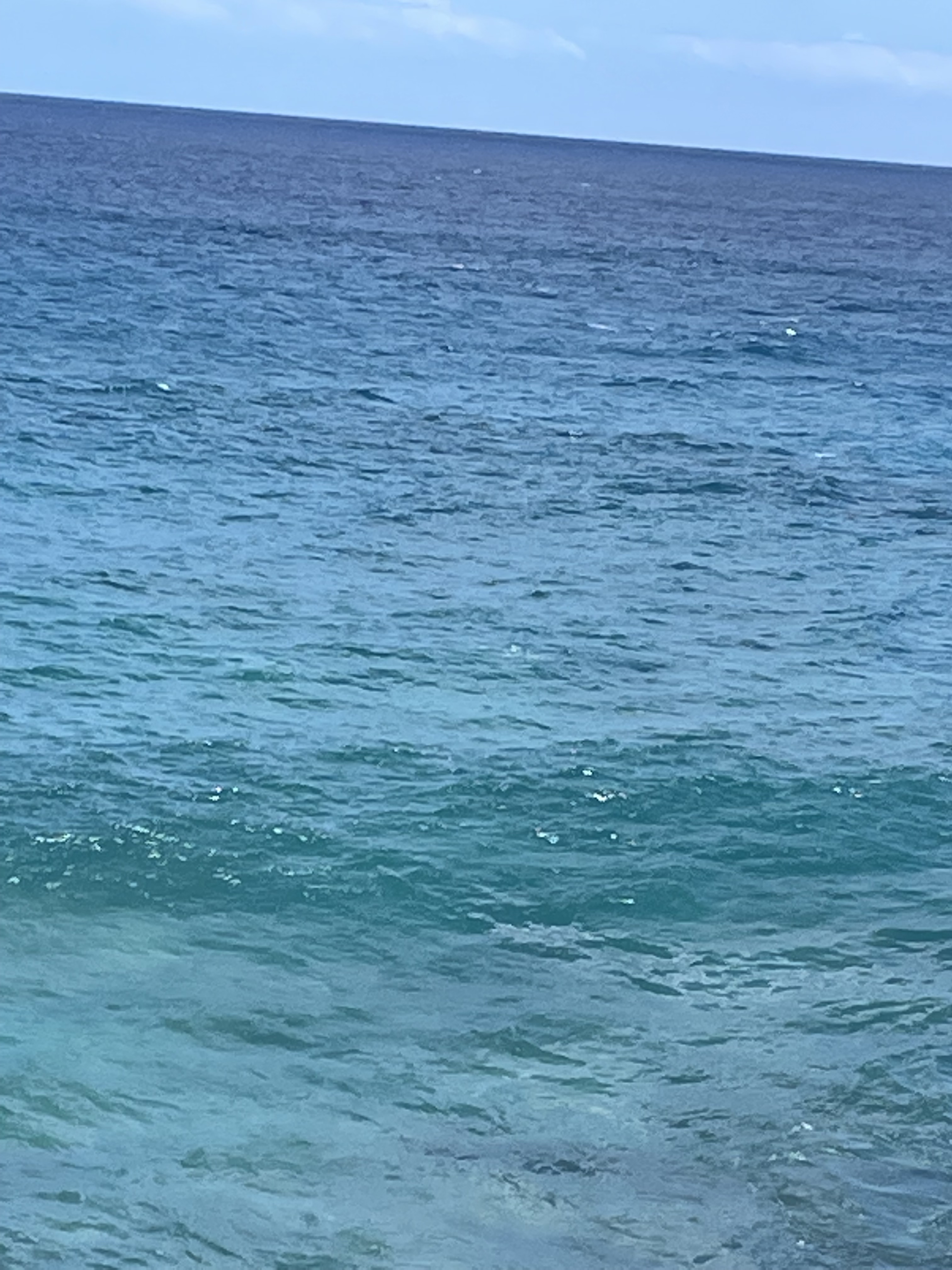
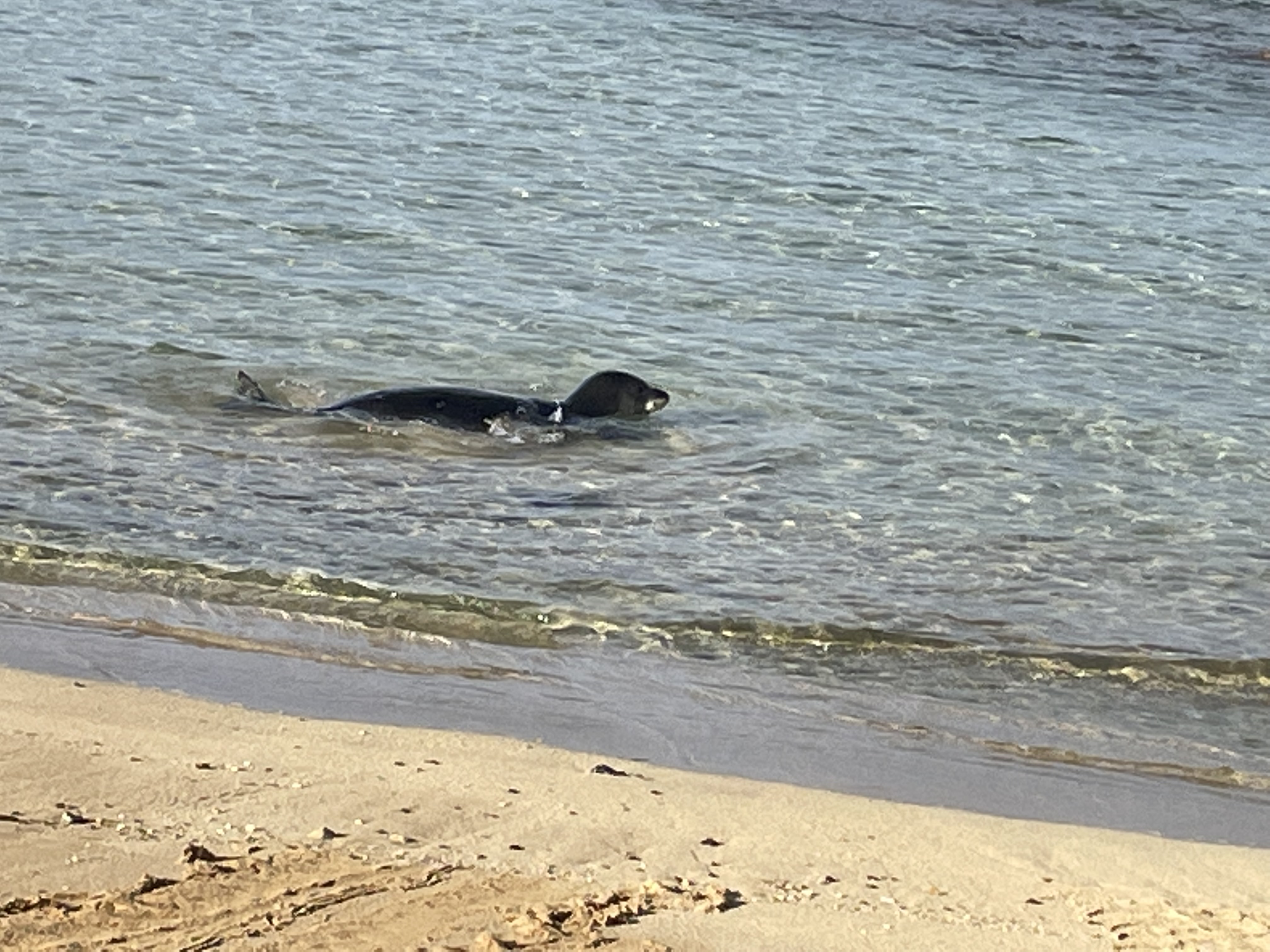
Waves in the mid-ocean Subtle waves on a shallow shore
We can relate to only a limited extent of the expanse of waves and their occurrence everywhere. Even this simple phenomena of nature is way beyond our total comprehension. Then what can be said of the infinite laws of nature and the limitless phenomena (Nirgunathvam)? They create and facilitate all that, which we have come to learn as our life, the universe and existence. Is this what we are to infer from the dictum “Sarvam Brahma Mayam” – everything is Brahman?


 Spirituality In Practice
Leave a reply to Chitra Cancel reply